Source Swivel Brake Wheel for Furniture, Shelves, and Instruments
Find and compare Swivel Brake Wheel for Furniture from 30 verified suppliers. Buyers can review specifications like wheel material, bearing type, and load capacity to select the right caster for chairs, shelves, or instruments.
Key considerations
Products List


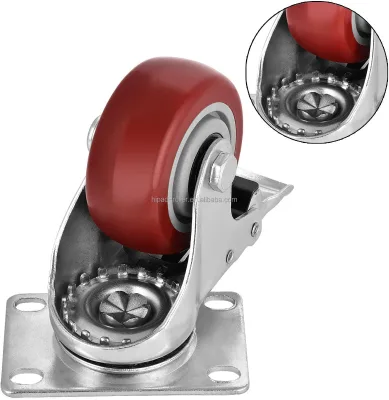
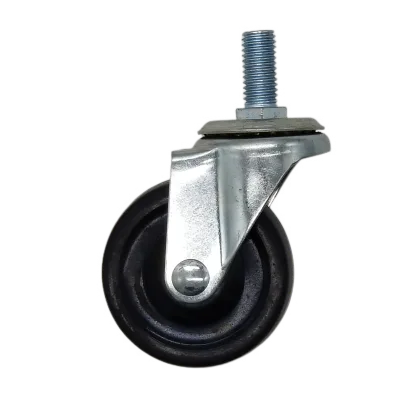
Customized Caster Wheels with Brake Without Brake Caster Wheels for Furniture
$0.02 - $0.10
MOQ: 20000 Pieces


1.5/2/ 2.5 Rigid Swivel with Brake Furniture Caster Wheel for Office Chair
$0.14 - $0.22
MOQ: 1000 Pieces


Comprehensive Sourcing Guide
Strategic Sourcing Guide for Swivel Brake Wheels for Furniture
Understanding Technical Specifications and Material Composition
When sourcing swivel brake wheels for furniture, the primary objective is to align technical specifications with the intended load-bearing and mobility requirements of the end product. The market offers a diverse array of configurations, ranging from simple plastic casters to complex assemblies featuring roller bearings and specialized braking mechanisms. A critical observation in the current supply landscape is the variation in wheel materials. Buyers frequently encounter options utilizing plastic, nylon, or a combination of PA6 (Polyamide 6) and nylon. These materials are selected for their durability, noise reduction, and floor protection capabilities. For instance, specific product listings indicate wheel materials explicitly categorized as either plastic or nylon, with some variations offering PA6 as a primary component.
The structural integrity of the caster is equally vital. The housing material often dictates the longevity of the unit in high-traffic environments. Evidence from available product data suggests the use of zinc-plated steel housing, which provides a robust shell for the internal components. The thickness of this housing is a specific dimension that buyers must verify; observed specifications include a housing thickness of 2mm, which contributes to the overall resistance against impact and deformation. Furthermore, the bearing type is a decisive factor in the smoothness of the swivel action. While plain bearings are available for lighter applications, roller bearings are observed in higher-performance units, offering reduced friction and enhanced load capacity. The maximum load capacity is another non-negotiable metric; specific data points indicate a maximum load capacity of 45KG for certain models, a figure that must be compared against the weight of the furniture being equipped.
Dimensions also play a pivotal role in the selection process. The wheel diameter and width determine the clearance and stability of the furniture. Standard observations include wheel diameters of 50mm and 36mm, with corresponding widths such as 30mm. The total height of the assembly, including the stem or plate, is another critical dimension; one observed specification lists a total height of 72mm with an offset of 26mm. These measurements must be cross-referenced with the furniture design to ensure proper fitment. The installation method is equally specific, with options ranging from insert rod mechanisms to flat plate mounting. The "Kind" of the wheel is often described as a rotating wheel, and the function is typically categorized as a connector or specifically for furniture chair usage.
Compliance, Certification, and Regulatory Standards
Navigating the regulatory landscape is essential for B2B procurement, particularly when sourcing components for furniture that may be exported to international markets. Compliance ensures that the product meets safety, environmental, and quality standards required by various jurisdictions. In the context of swivel brake wheels, buyers should verify that suppliers adhere to recognized international standards. Available data indicates that certain manufacturers operate under a framework that includes GB (Guobiao), BSCI (Business Social Compliance Initiative), SGS, REACH, and ROHS certifications. These certifications cover a broad spectrum of requirements, from chemical restrictions on materials to social responsibility in the manufacturing process.
The presence of REACH and ROHS compliance is particularly significant for furniture casters, as these regulations restrict the use of hazardous substances such as lead, mercury, and certain phthalates. This is crucial for products intended for residential or commercial use where human contact is frequent. Similarly, BSCI certification addresses the ethical aspects of production, ensuring that the manufacturing environment adheres to labor standards. While not all products in the market may carry these specific certifications, buyers should treat them as a baseline for evaluating supplier credibility. The standard "prod_standard" field in product listings often reflects these compliance levels, with some entries explicitly stating "as buyer required," indicating a willingness to customize the product to meet specific regulatory demands.
It is important to note that the absence of a listed certification in a product description does not necessarily imply non-compliance, but it does require active verification. Buyers should request documentation or test reports to confirm that the zinc plating process, the nylon or plastic formulation, and the bearing lubricants meet the necessary environmental and safety thresholds. The "Good Treating" advantage mentioned in some product attributes likely refers to the quality of the surface finish, which is often achieved through zinc plating. This process not only enhances corrosion resistance but also contributes to the aesthetic finish of the furniture. However, the specific thickness of the plating and the adhesion quality should be verified through independent testing to ensure long-term performance.
Cost Drivers and Pricing Dynamics
The pricing of swivel brake wheels is influenced by a complex interplay of material costs, manufacturing complexity, and order volume. The observed price range in the market spans from $0.02 to $2.50 USD per unit, a wide variance that reflects differences in quality, material composition, and customization levels. At the lower end of this spectrum, products are likely to feature basic plastic wheels with plain bearings and standard packaging. These units are suitable for light-duty applications where cost is the primary driver. Conversely, the upper end of the price range typically corresponds to units with roller bearings, specialized braking mechanisms, and higher-grade materials such as reinforced nylon or specific PA6 formulations.
Material costs are a significant component of the final price. The transition from standard plastic to nylon or PA6 increases the raw material expense but offers superior mechanical properties, including higher load capacity and better wear resistance. The housing material also impacts cost; zinc-plated steel housing is more expensive than alternative materials due to the metal content and the electroplating process required. Additionally, the complexity of the braking mechanism adds to the manufacturing cost. Units with a "With Brake" configuration are generally priced higher than those with "Without Brake" options, as the brake assembly requires additional components and assembly steps.
Order volume is another critical factor in determining the unit price. The Minimum Order Quantity (MOQ) varies significantly across suppliers, with observed ranges from 1,000 to 20,000 pieces. Some suppliers list an MOQ of 2,000 pieces, while others may require 10,000 or more for custom configurations. Higher order volumes typically result in lower per-unit costs due to economies of scale in production and shipping. Buyers should be aware that customizations, such as specific wheel colors (e.g., white), unique dimensions, or specialized packaging, can increase the MOQ and the unit price. The "Factory Standard Package" is often the default, but custom packaging solutions like export cartons with specific quantities (e.g., 500PCS/Carton) may incur additional fees.
Typical Applications and Functional Requirements
Swivel brake wheels for furniture serve a wide range of applications, from residential furniture to industrial equipment. The primary function of these casters is to facilitate mobility while providing stability when stationary. In the context of furniture, the most common application is for chairs, tables, and storage units. The "Function" attribute often explicitly states "Furniture Chair Usage" or "Furniture Caster," indicating their specialized design for these products. The ability to swivel allows for easy maneuverability in tight spaces, while the brake mechanism ensures that the furniture remains fixed in place when needed, preventing unwanted movement.
Beyond standard furniture, these wheels are also utilized in instruments, shelves, and other equipment where mobility and stability are required. The "Application" field in product data often lists "Furniture, Instrument, Shelves," highlighting the versatility of the product. For example, medical instruments or laboratory equipment may require casters that are easy to clean and resistant to chemical spills, making the choice of material and finish critical. The "Style Name" of "Plastic Castors" suggests a focus on lightweight and cost-effective solutions, while the "Design Style" of "Modern" indicates an aesthetic consideration that aligns with contemporary furniture trends.
The specific requirements for each application dictate the choice of wheel diameter, load capacity, and braking mechanism. For heavy-duty furniture, such as office chairs or industrial shelving, a higher load capacity (e.g., 45KG) and a robust bearing type (e.g., roller bearing) are essential. For lighter applications, such as decorative furniture or children's chairs, a plastic wheel with a plain bearing may suffice. The "Character" attribute, which notes "with Brake or Without Brake," allows buyers to select the appropriate configuration based on the specific needs of the end product. In environments where safety is paramount, such as hospitals or schools, the inclusion of a brake is often mandatory to prevent accidental movement.
Supplier Evaluation and Selection Criteria
Selecting the right supplier is a critical step in the procurement process, as it directly impacts product quality, delivery reliability, and cost efficiency. Buyers should evaluate suppliers based on their ability to meet technical specifications, compliance requirements, and production capacity. One key indicator of supplier capability is the availability of customization services. The "Customization" and "Customized" attributes suggest that many suppliers are willing to tailor products to specific buyer requirements, including dimensions, materials, and branding. This flexibility is particularly valuable for buyers with unique design needs or those looking to differentiate their products in the market.
The "Sample and OEM" attribute indicates that suppliers are open to providing samples and offering Original Equipment Manufacturer (OEM) services. This is a positive sign, as it suggests a willingness to engage in a collaborative relationship and a commitment to quality. Buyers should request samples to verify the physical attributes of the product, such as the wheel material, housing thickness, and braking performance. The "prod_packing" attribute, which mentions "Factory Standard Package" or "Export Carton for Plastic Castors," also provides insight into the supplier's logistics capabilities. Reliable suppliers will ensure that products are packaged securely to prevent damage during transit, especially for delicate components like bearings and brake mechanisms.
Location and origin are also important factors in supplier evaluation. The "prod_origin" field indicates that many suppliers are based in China, with specific regions like Hubei mentioned. While China is a major manufacturing hub, buyers should verify the specific location and assess the logistical implications of sourcing from that region. Lead times and production capacity should be discussed during the negotiation phase to ensure that the supplier can meet delivery deadlines. The "Advantage" attribute, which mentions "Good Treating," suggests that some suppliers take pride in their finishing processes, which can be a differentiator in a competitive market. However, buyers should not rely solely on marketing claims and should request evidence of quality control processes.
Quality Control and Long-Term Procurement Considerations
Ensuring consistent quality is paramount in the procurement of swivel brake wheels, as defects can lead to product failures and customer dissatisfaction. Quality control should be integrated into the procurement process, starting from the initial supplier selection and continuing through production and delivery. Buyers should establish clear quality standards based on the technical specifications observed in the market, such as wheel diameter, housing thickness, and load capacity. Regular inspections and testing should be conducted to verify that the products meet these standards. The "Condition" attribute, which states "New," implies that buyers should expect products to be in pristine condition, free from defects or signs of wear.
Long-term procurement considerations involve building a sustainable relationship with suppliers that can adapt to changing market demands. This includes the ability to scale production up or down based on order volume and the flexibility to accommodate design changes. The "MOQ" range of 1 to 20,000 pieces suggests that suppliers can handle a wide range of order sizes, but buyers should negotiate terms that align with their inventory management strategies. The "prod_standard" field, which includes options like "as buyer required," indicates that suppliers are willing to customize standards to meet specific buyer needs. This flexibility is crucial for long-term partnerships, as it allows for continuous improvement and adaptation.
Finally, buyers should consider the total cost of ownership, which includes not only the purchase price but also the cost of maintenance, replacement, and potential downtime. High-quality casters with durable materials and reliable braking mechanisms may have a higher upfront cost but can result in significant savings over time by reducing the frequency of replacements and minimizing repair costs. The "Max Load Capactiy" of 45KG and the use of robust materials like nylon and zinc-plated steel are indicators of a product designed for longevity. By focusing on quality and reliability, buyers can ensure that their furniture products perform well and maintain their value in the market.
FAQs
What materials are used for swivel brake wheels for furniture?
Wheel materials typically include plastic, nylon, or PA6 formulations. Some units feature zinc-plated steel housing for durability. These materials ensure floor protection and noise reduction during furniture movement.
Which bearing types are available for swivel brake wheels for furniture?
Available bearing types include plain bearings and roller bearings. Plain bearings suit lighter applications, while roller bearings offer reduced friction for higher load capacities. The choice depends on the intended furniture weight.
Can I find swivel brake wheels for furniture with a 45KG load capacity?
Yes, specific models support a maximum load capacity of 45KG. This capacity is often paired with roller bearings and zinc-plated steel housing. Verify the exact model number to ensure it meets your weight requirements.
How is the housing finished on swivel brake wheels for furniture?
The housing is commonly finished with zinc plating to enhance corrosion resistance. This treatment provides a robust shell for internal components. The standard housing thickness observed is 2mm for added structural integrity.
What certifications do swivel brake wheels for furniture manufacturers hold?
Manufacturers often hold GB, BSCI, SGS, REACH, and ROHS certifications. These standards ensure compliance with safety and environmental regulations. Buyers should verify specific documents to confirm adherence to these requirements.
What is the typical MOQ for swivel brake wheels for furniture?
Minimum Order Quantities range from 1,000 to 20,000 pieces depending on the supplier. Some listings specify an MOQ of 2,000 pieces for standard models. Custom orders may require higher quantities to accommodate production setup.
Which installation methods are supported for swivel brake wheels for furniture?
Installation options include insert rod and flat plate mounting. These methods allow flexible integration into various furniture designs. Select the method that matches your furniture's existing stem or plate configuration.